Commercial Waste in Mitcham for reliable business collection and disposal
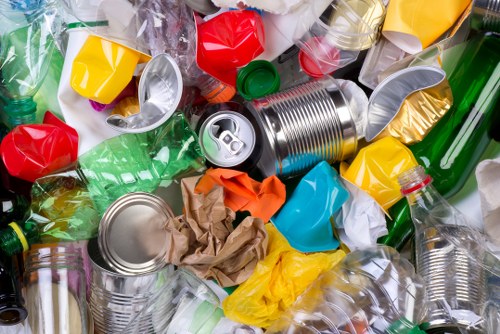
Commercial waste in Mitcham needs a straightforward service that keeps business premises clear, handles mixed non-hazardous materials properly and gives companies a sensible route for regular or one-off removal. We provide commercial waste removal for offices, shops, workshops, hospitality premises and other workplaces that generate general business rubbish, recyclable materials and bulky items that need proper handling. The focus is on practical collection, clear separation of suitable materials and a tidy finish that helps premises stay workable.
Our service is suited to day-to-day waste streams as well as larger clear-outs when storage areas, back-of-house spaces or redundant stock need attention. Depending on the material, we can deal with office furniture, packaging, fixtures, shelving, general rubbish and selected specialist items that are accepted within the scope of the service. Clear sorting and lawful disposal matter just as much as removal itself, because the right process reduces disruption and helps businesses manage waste responsibly.
If you need a regular collection pattern or a one-off clearance, tell us what has built up and what access is available, then request a quotation. A clear description of the waste type, volume and access route helps produce a more useful estimate, and it also makes it easier to plan the most suitable collection. You can use the enquiry route that suits you best and keep the process simple from the outset.
Business waste removal arranged around the materials you generate
Different workplaces create different waste profiles, so commercial waste removal works best when it is matched to the actual items on site. A small office may need paper, packaging and old chairs taken away, while a retail unit may have cardboard, damaged displays and obsolete stock. A workshop, meanwhile, may generate heavier offcuts and mixed debris that need careful loading and disposal. The service is designed to deal with those everyday variations without turning the arrangement into something unnecessarily complicated.
Where suitable, we can remove mixed loads in a single visit rather than asking you to separate every item into separate arrangements. That approach is helpful when time is limited or when waste has accumulated across more than one part of the premises. It is still important to distinguish between ordinary commercial rubbish and any items that require separate handling, so that the collection can be planned correctly and processed through the right route.
For businesses that want a clearer picture before they commit, the business waste removal page gives a useful starting point, while the main waste service overview sits on the waste removal page. If you are comparing typical disposal routes, the information on pricing and quotes can also help you understand what details are worth supplying when asking for a figure.
Regular collections and one-off clearances
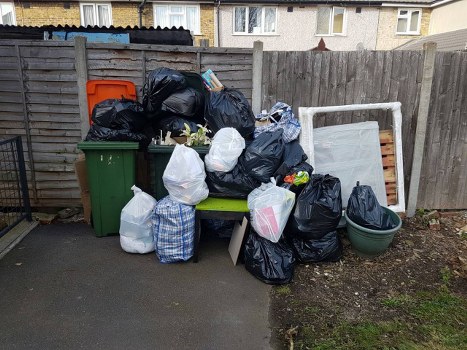
Some businesses need waste removed on a recurring basis, while others only need help when a storage area becomes overloaded or a site is being reorganised. Regular collections are useful when waste is produced steadily and needs to be kept under control, whereas one-off clearances are often better for stock changes, office moves, refits or periodic tidy-ups. The right arrangement depends on how the material is generated, how quickly it accumulates and how much handling is needed before collection.
For repeat service, it helps to agree what kind of material will usually be presented and whether the collection point is easy to reach. For a single clearance, the main factor is often the amount and mix of items waiting to be taken away. If there are bulky objects, awkward access points or items stored on upper floors, those practical details influence how the work is organised. Good planning keeps the service efficient and helps avoid surprises on the day.
The book online page offers a simple way to begin if you already know the basics, while the contact us page is the place to use if you want to explain the job in a little more detail before arranging collection. For businesses that need to compare different forms of clearance, the office clearance page and the garage clearance page show how different jobs can be approached under the wider service range.
Office waste and workspace clear-outs
Offices often build up more than simple rubbish. Old desks, filing cabinets, office chairs, storage units, boxed paperwork, broken equipment and redundant fittings can all occupy space that would be better used productively. Our commercial waste service can support office clear-outs by removing those items in a sensible, organised way. That is especially useful when departments are being rearranged, leases are ending or work areas need resetting without unnecessary delay.
In office settings, it is often best to group items by type before collection so that the load can be assessed properly. Furniture, paper-based waste and miscellaneous mixed items may all be present, and not every item belongs in the same disposal stream. Where confidential papers or records are involved, they should be handled through the right route rather than mixed into ordinary rubbish. The result is a cleaner workspace and a collection that fits the nature of the material.
The confidential shredding page is relevant when paperwork needs secure disposal, and the furniture clearance page is useful where desks, storage units and chairs are the main items. If office furniture includes items that are no longer fit for use, the furniture disposal page helps explain the disposal side of that work. Choose the route that matches the item type, especially where paperwork or bulky fittings are involved.
Clearance of bulky items and commercial furniture
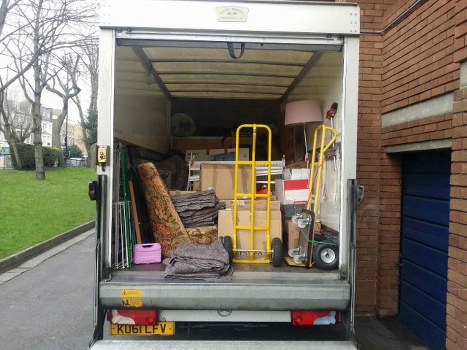
Many commercial waste jobs involve bulky items rather than loose rubbish alone. Reception furniture, shelving, counters, meeting tables, filing units and stockroom fixtures can all take up considerable room once they are no longer needed. These items usually require more care in lifting, carrying and loading than standard bagged waste, so it helps to deal with them as part of a structured clearance rather than leaving them to become a last-minute problem.
Bulky item removal is most effective when the sizes, quantities and access conditions are understood in advance. That allows the collection to be planned around stairs, narrow corridors, shared entrances or storage areas that sit away from the main loading point. When furniture has mixed materials such as metal, wood, upholstery and plastic, it may also be sensible to consider whether anything can be directed to a more suitable disposal route. The aim is to remove items cleanly and responsibly while keeping the process manageable.
If you are clearing away workplace furnishings, the office clearance page and the mattress and sofa disposal page show examples of more item-specific disposal routes, while the flat clearance page can be helpful when business premises also include residential-style furnishings. For mixed jobs that combine furniture with general debris, the home clearance page and the house clearance page illustrate the broader clearance approach.
About Mitcham
Mitcham is a district in the London Borough of Merton, in south-west London, with a long history shaped by its position along the River Wandle and the surrounding low-lying landscape. The area is known for the wide green space of Mitcham Common, which remains one of its most distinctive open areas and provides a strong contrast with the built-up streets nearby. Historically, Mitcham was notable for agriculture and market gardening, and in earlier centuries it developed a reputation for herbs and other crops grown on fertile land close to the river. That older pattern of land use still informs how the area is understood, even though much of the surrounding development is now suburban in character. The parish church of St Peter and St Paul reflects the older settlement history, while several listed buildings and conservation pockets show different stages in the area’s growth. Mitcham Junction, with its transport links, adds a more modern layer to the local landscape, and the district’s rail and tram connections have helped tie it to wider south London movement for well over a century. The common itself, the river corridor and the mixture of older domestic streets and later twentieth-century development give Mitcham a varied local character rather than a single architectural style. Public open spaces, everyday retail parades and civic buildings sit alongside residential roads, making the district feel both urban and relatively spacious in parts. Its identity is therefore built from layers of settlement, transport and green space rather than from one dominant centre alone.
What commercial collections can include
Commercial waste is not limited to paper and packaging. Depending on the site, it can also include broken fixtures, obsolete stock, damaged displays, worn storage items, loose debris from maintenance work and discarded items from routine reorganisation. A useful collection service takes account of those different categories without making the process more complicated than it needs to be. The main aim is to remove suitable material efficiently and leave the premises ready for normal use again.
Some items fall into clearly separate disposal categories, especially where appliances, hazardous materials or specialist components are involved. Those items should not be treated as ordinary mixed waste. For example, electrical appliances and certain substances need a more specific route, and it is sensible to identify them early rather than mixing them with general rubbish. This keeps the collection organised and helps avoid delays once the load is being prepared. It also means the work can be matched to the correct handling and processing method.
Where relevant, the fridge and appliance removal page covers white goods and similar equipment, while the hazardous waste disposal page is the right place to look for items that need special treatment. If you are dealing with a mix of waste from building or maintenance work, the builders waste clearance page may also be useful. In many cases, a clear item list makes the next step much easier.
Pricing factors and the information that shapes a quotation

A quotation for commercial waste removal is usually shaped by the amount of material, the type of items involved and the practical effort needed to collect them. Heavier loads, awkward access, multiple floors, mixed materials and larger items can all affect how the work is assessed. A useful quotation is not just about the total volume; it also reflects the effort needed to handle the job properly and dispose of the material through the correct route.
It helps to provide a plain description of what needs removing rather than trying to guess technical categories. For instance, you can note whether the job includes office furniture, packaging, general rubbish, appliances or a combination of several types of waste. If the items are stored in different rooms or floors, that is also worth mentioning because it changes the practical side of the work. Simple, accurate details usually lead to a better estimate than broad or vague descriptions.
The pricing and quotes page is the clearest place to start when you want to understand how estimates are put together, and the payment and security page can help if you want to see how transactions are handled. If your business is also reviewing environmental handling, the recycling and sustainability page gives a useful overview of that side of the process. For a direct next step, request a quotation with the details of your waste type and access.
Recycling, sorting and responsible disposal
Responsible commercial waste handling depends on proper sorting as well as collection. Suitable materials may be separated for recycling where appropriate, while mixed waste that cannot be recovered needs to go through the correct disposal route. Businesses often benefit from a service that respects that distinction, because it keeps the process orderly and supports better waste management habits across the site. It is not necessary to overcomplicate the job, but it is useful to know that not every item follows the same path once removed.
Cardboard, some packaging, certain metals and selected office materials may be suitable for recovery depending on their condition and composition. Other items, especially those contaminated by food, liquids or mixed residues, may have to be treated differently. The practical point for the customer is to know which items are present and to avoid mixing obviously separate waste streams where it would make handling more difficult. That approach keeps the collection more efficient and reduces confusion at the point of removal.
For businesses that want to understand broader disposal principles, the recycling and sustainability page is a useful reference, and the what can go in a skip page can help with comparing common waste categories. If you are coordinating clearance alongside workplace changes, the about us page provides background on the website’s service range. Good separation at source often makes the rest of the process simpler.
How to prepare for collection without overcomplicating the job
A practical collection begins with a short review of what needs removing. Walk through the premises, note the main waste types and decide whether there are any items that should be kept separate because they need special treatment. If the collection point is not obvious, it helps to identify where the items will be gathered so that loading can proceed without unnecessary back-and-forth. That is usually enough preparation for most commercial waste jobs.
It is also worth thinking about access. Shared corridors, loading restrictions, narrow entrances, security arrangements and upper-floor storage all influence how the waste is collected. If the job spans several areas, listing the locations in one clear message can be very useful. The aim is not to create a formal inventory for its own sake, but to make sure the collection can be organised around the actual site conditions. Clear access notes save time and confusion when the waste is ready to move.
If you are ready to move ahead, use the contact us page to share the details and ask for a quotation, or return to book online if that is the simpler route for your business. Either way, start with the main waste type, approximate quantity and any access notes, then request a quotation in plain terms.
Commercial waste for different kinds of premises
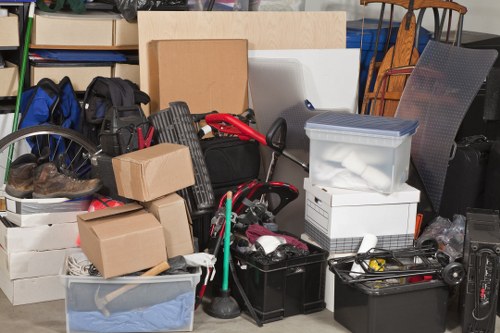
Commercial waste collection is relevant to many premises, not just traditional offices. Retail units may need old displays, packing waste and damaged stock removed. Hospitality premises may produce mixed back-of-house rubbish, worn fixtures and equipment that is no longer needed. Workshops and light industrial spaces may have storage overflows, packaging, offcuts and redundant items that need a planned collection rather than ad hoc disposal. The service works best when the items are described honestly and in ordinary terms.
Some premises benefit from a single clear-out before reopening, while others need steady support as waste accumulates over time. In either case, the important point is to match the removal method to the premises and the material present. That may mean sorting furniture away from general rubbish, separating appliances or making sure any special waste is identified early. A sensible commercial waste arrangement reduces clutter without turning the job into a larger project than it needs to be.
When you are ready, request a quotation and tell us what needs clearing, where it is located and whether the collection is a one-off or part of a regular pattern. A brief, accurate description is enough to begin, and it lets the service be shaped around the actual work rather than around assumptions.