Complaints Procedure for Commercial Waste Mitcham
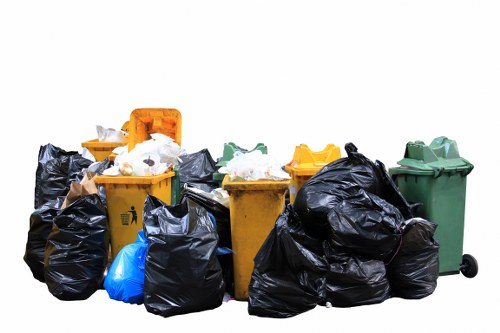 This complaints procedure sets out how businesses and organisations may raise concerns about commercial waste services in Mitcham, including collection, disposal and recycling arrangements. It explains the scope, acknowledgement processes and expected timeframes. The aim is to provide a clear, consistent and lawful approach to handling service complaints related to commercial rubbish in the Mitcham service area while protecting both the customer's commercial interests and the company's operational integrity.
The procedure applies to contract clients, licensed waste producers and authorised representatives who use commercial waste collection and disposal services. It covers issues such as missed collections, incorrect invoicing, contamination disputes, safety incidents involving business waste containers, and failures to meet agreed service levels. It does not replace statutory rights or regulatory enforcement processes, but is intended to complement them by offering an internal resolution route for service-related disputes.
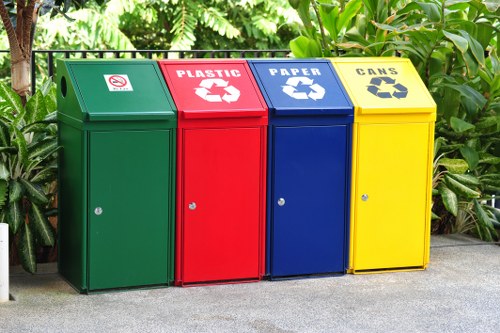 Complaints should be made as soon as possible after the event. We will accept a written complaint or a complaint submitted via an authorised channel stipulated in the contract. Each complaint will be recorded in a secure register and allocated a unique reference number to track progress. Where a complaint involves another party (for example a contractor or third-party carrier), we will coordinate inquiries while maintaining confidentiality of commercial and personal data as required by law.
Stages of the Complaint Process
The complaint handling process consists of three stages: acknowledgement, investigation and resolution. On receipt the complaint will be assessed to determine the appropriate priority and whether any immediate remedial action is required to protect public health, safety or the environment. Where necessary, urgent measures (such as arranging an interim collection) may be taken before the full investigation is completed.
 During the investigation we will gather relevant records, including service logs, driver schedules, vehicle telemetry, contract terms and any photographic evidence. We will consult operational teams and, where relevant, regulatory records. Expected timeframes are published in the client contract: normally an acknowledgement within five working days and a substantive response within 20 working days. Where a full response cannot be provided within the stated timescale, an update will be issued explaining the delay and a revised date for a decision.
The complaint record will capture the following information as a minimum:
- the complainant's organisation and role;
- a concise description of the issue;
- service reference numbers, dates and locations concerned;
- any immediate action taken;
- outcome and any remedies applied.
Outcomes, Remedies and Escalation
Outcomes of investigations may include service corrections, credits or adjustments to billing where a contractual shortfall is demonstrated, changes to operational procedures, or training interventions for staff. Remedies are proportionate to the issue and aim to restore service levels or compensate for demonstrable loss. Customers should note that commercial waste contracts include specified limitation clauses and remedies which will be applied where relevant.
 If the complainant is not satisfied with the outcome, the matter may be escalated internally to a senior contract manager for review. The escalation will re-examine the evidence, consider any new information, and may propose an alternative resolution. If internal escalation does not resolve the issue, the complainant may pursue formal dispute resolution mechanisms provided for in the commercial contract, such as mediation or arbitration. Any such steps will be governed by the contractual dispute resolution clause and applicable law.
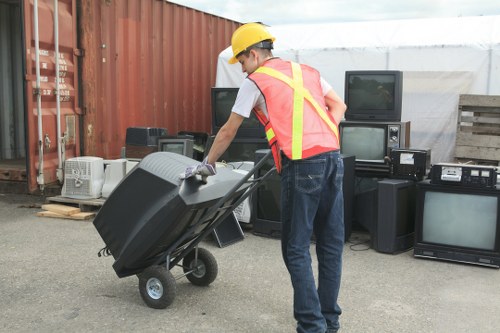 Complaints involving potential regulatory breaches, environmental harm or criminal activity will be referred to the appropriate statutory authority as required by law. Records of complaints and their outcomes are maintained to support continuous improvement, service audits and compliance checks. This procedure will be reviewed periodically and updated to reflect changes in regulation, industry practice and operational learning. Please note that the procedure is intended for resolving service disputes and does not replace legal or regulatory remedies available to commercial parties.
