Rubbish removal Mitcham Common fast local service
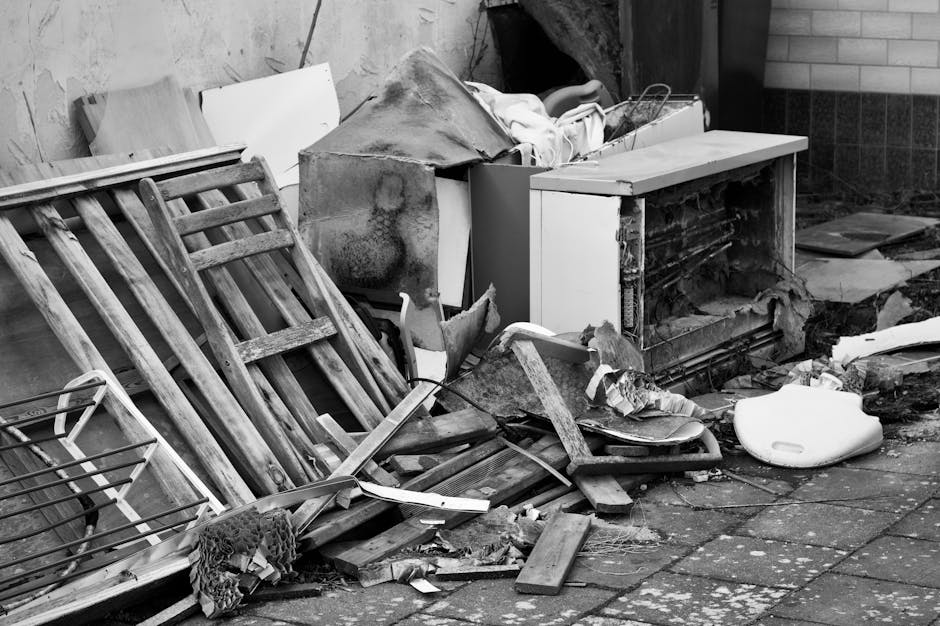
If you need Rubbish removal Mitcham Common fast local service, you probably want the same thing most people do: someone who turns up when they say they will, clears the mess without fuss, and leaves the place ready to use again. Simple on the surface, but when bins are overflowing, a garage has become a storage cave, or builders' rubble is in the way of the next job, simple is exactly what matters.
This guide explains how local rubbish removal works in Mitcham Common, what to expect from a fast service, how to choose the right option for your waste, and how to avoid the classic mistakes that cost time and money. We will also touch on disposal rules, recycling, and the practical details people often forget until the van is already outside. Honestly, that part matters more than most people think.
Why fast local rubbish removal matters
Rubbish has a way of becoming urgent at the worst possible moment. One minute it is a few broken boxes, a tired sofa, or a pile of garden cuttings; the next, it is blocking a hallway, slowing down a refurbishment, or making a small flat feel even smaller. A fast local service is useful because it removes that friction quickly, without the long wait that often comes with council collections or the hassle of hiring a skip for a short job.
For homes around Mitcham Common, speed also has a practical side. Properties here can include narrow access roads, shared driveways, flats with limited storage, and gardens where waste builds up after weekend work. If you need the waste gone before guests arrive, before a tenancy changeover, or before a tradesperson starts, timing becomes everything. You do not want to spend three days staring at a heap of waste in the corner. You want it gone. Today, preferably.
There is another reason it matters: rubbish left too long becomes more than an eyesore. It can attract pests, smell unpleasant in warmer weather, and make a property feel neglected. In a commercial setting, that can also affect staff morale and customer impressions. In a domestic setting, it just wears you down. The room feels stuck until the clutter is gone.
Expert summary: Fast local rubbish removal is not just about convenience. It is about clearing space quickly, reducing stress, and keeping a property usable with the least disruption possible.
How rubbish removal Mitcham Common fast local service works
In most cases, the process is straightforward. You describe the waste, the team estimates the load, and a collection is arranged. The better providers work in a way that is refreshingly direct: no long forms, no mystery about what happens next, and no need for you to carry everything to the kerb unless that is the agreed setup.
A typical collection usually follows these stages:
- Initial enquiry: You explain what needs removing, where it is located, and whether access is easy or awkward.
- Quote or estimate: A price is given based on volume, waste type, labour needed, and any special handling requirements.
- Collection slot: A fast local team offers a time window that fits the job, often same day or next day where possible.
- On-site loading: The crew removes the waste, usually from inside the property, a garden, a garage, a loft, or a loading area.
- Sorting and disposal: Items are separated for reuse, recycling, or appropriate disposal depending on what they are.
- Completion: The area is left clear, and the job is wrapped up with minimal disruption.
What looks simple on the surface still benefits from good preparation. For example, if your waste includes mixed items like old furniture, broken shelves, and a few builder's bags, it helps to know roughly how much there is. That makes quoting cleaner and avoids surprises on the day. If you are clearing a home after a move, you might also want to look at broader clearance options such as home clearance or, for larger whole-property jobs, house clearance.
And yes, access matters. A team can work quickly only if it can safely move through the space. Tight stairwells, basement steps, parked cars, or shared entrances can all slow things down. That is normal, not a deal-breaker, but it is worth mentioning early.
Key benefits and practical advantages
The most obvious benefit is speed, but that is only part of the story. Fast local rubbish removal is popular because it solves several problems at once, and it does so with less hassle than many alternatives.
- Quick turnaround: Ideal when waste needs to be removed before a deadline, viewing, delivery, or trades appointment.
- No skip permit stress: For many properties, a collection service avoids the delay and admin of placing a skip on a road.
- Labour included: You do not have to carry heavy furniture, bags, or rubble yourself.
- Space recovered immediately: Useful when clutter is blocking access, light, or storage.
- Flexible for mixed waste: Many jobs include more than one material type, and a good crew can sort that out on site.
- Less disruption: No need to have a large container sitting outside for days. That alone is a relief for many people.
There is also a quieter benefit: peace of mind. You know the rubbish is being handled properly rather than shoved into the back of a car or left for later. That is especially important for items that need careful disposal, such as appliances, awkward furniture, or anything that could be classified as hazardous. If you have a fridge, freezer, or similar appliance in the mix, a dedicated fridge and appliance removal service can be the cleaner option.
For sofas, mattresses, and other bulky household items, specialist disposal support can be worth considering too. A mattress is easy to underestimate until you try to move one down a narrow staircase. Then suddenly, it is everyone's problem.
Who this is for and when it makes sense
This kind of service suits a wide mix of people. Some need a one-off clear-out. Others need a regular, practical solution because their property or business generates waste in bursts rather than in neat little bags.
It makes particular sense for:
- Homeowners clearing old furniture, box piles, or garden waste
- Landlords and letting agents dealing with end-of-tenancy rubbish
- Builders and tradespeople needing removal of rubble, timber, packaging, and renovation debris
- Businesses looking for tidy, prompt disposal without interrupting the working day
- Flat residents who cannot easily store a skip outside
- People handling probate or downsizing who need sensitive but efficient clearing
If you are working through a renovation, a builders waste clearance option is often more practical than trying to sort every bag and board yourself. Likewise, offices and small business premises can benefit from structured support such as office clearance or business waste removal when the job includes desks, filing units, packaging, or old stock.
To be fair, not every job needs the fastest possible service. If you are clearing one small bag and you are not in a rush, you may have more than one option. But if waste is in the way, a fast local collection usually pays for itself in time saved alone.
Step-by-step guidance
If you have never booked rubbish removal before, the process can feel slightly more complicated than it actually is. Here is the simplest way to approach it.
- Identify the waste type. Is it general rubbish, furniture, garden cuttings, building debris, or mixed waste? The category matters.
- Estimate the amount. Try to judge whether it is a few items, a small van load, or something larger. Photos help a lot.
- Check for special items. Batteries, chemicals, fridges, TVs, mattresses, confidential materials, and some heavy items may need different handling.
- Confirm access. Mention stairs, parking restrictions, gate codes, or narrow entrances before the booking is fixed.
- Ask how loading works. Some teams collect from inside the property; others may need items moved to a more accessible point.
- Get the timing clear. If you need same-day collection, say so early. Fast local teams can often help, but only if they know urgency is part of the job.
- Prepare the area. Separate anything you want to keep. It sounds obvious, but that one saved item can be easy to miss when the room is busy.
- Be present if needed. For mixed clearances, being available for a quick check keeps things moving.
A useful rule: the more honest and specific you are at the start, the smoother the removal will be. If the waste is mainly old cupboards and packaging, say that. If the pile includes a broken appliance and some sharp materials, say that too. It helps everyone.
For a garage, loft, or awkward side return, you may also want a focused clearance service rather than generic rubbish removal. In those cases, garage clearance and loft clearance can be the more suitable fit.
Expert tips for better results
Over time, the jobs that go smoothly tend to have a few things in common. Nothing flashy, just sensible preparation.
- Take photos before you book. A few clear pictures often lead to a more accurate quote than a long description.
- Separate reusable items. Furniture in decent condition may be better directed to a dedicated furniture clearance or furniture disposal solution depending on condition and destination.
- Move fragile things first. If you are keeping mirrors, lamps, or boxes of documents, get them out of the path before collection day.
- Think about load order. Put the largest items where they can be reached quickly. It saves time, and time is usually what you are buying.
- Flag anything unusual. Hazards, sharps, heavy stone, or mixed waste should never be left as a surprise.
- Ask about recycling. A good provider should be able to explain how different waste streams are handled, even if the specifics vary by item.
Another small but practical tip: if the job involves mattresses or sofas, mention it early. They are bulky, awkward, and often take up more vehicle space than people expect. A dedicated mattress and sofa disposal option can make the whole thing simpler.
Sometimes the best tip is just this: do not overcomplicate it. Clear the keepers, point to the waste, and let the crew do the lifting. There is no medal for doing the heaviest bit yourself.
Common mistakes to avoid
Fast rubbish removal is efficient, but a few common mistakes can slow things down or create extra cost. They are avoidable, thankfully.
- Underestimating the volume: A pile that looks small from one angle can fill a van quicker than expected.
- Mixing hazardous and general waste: Some materials need separate handling, and blending them can complicate collection.
- Forgetting access issues: Low parking, loading restrictions, or awkward stairs can affect timing.
- Leaving items unsorted: If you want to keep anything, remove it before collection day.
- Assuming everything can go in one load: That is not always true, especially with specialist waste.
- Choosing on price alone: Cheap is fine until it becomes expensive through delays, missed items, or poor disposal handling.
One classic mistake is assuming a skip would always have been easier. Sometimes it would. Sometimes it absolutely would not. If you are unsure, read up on what can go in a skip before deciding. It gives you a better sense of whether a skip or a collection service fits the job.
And yes, people do leave a single important folder inside the pile. It happens more than anyone likes to admit. Double-check the corners, drawers, and old boxes before the team starts loading.
Tools, resources and recommendations
You do not need much to prepare for rubbish removal, but a few simple tools make life easier. Nothing exotic. Just the sort of things that save you from a last-minute scramble.
- Phone camera: Take wide photos of the waste and close-ups of anything unusual.
- Marker tape or sticky notes: Helpful if you are separating items to keep from items to remove.
- Gloves: Useful for moving light debris, old packaging, or dusty items safely.
- Basic measuring tape: Handy when estimating bulky furniture or appliance size.
- Bin bags or boxes: Good for loose mixed rubbish, paperwork, and smaller items.
When you are comparing services, a few website pages can help you decide what is relevant. For pricing clarity, see pricing and quotes. If you want to understand how collections are handled and what the service covers, the main waste removal page is the natural place to start.
If sustainability matters to you, which it should, look at the provider's approach to sorting and reuse. A reliable operator should be able to explain how they think about recycling, reduction, and proper disposal. You may also want to review recycling and sustainability if you are trying to make the most responsible choice.
For more about the people behind the service, about us is worth a glance. It is not glamorous reading, but it does help you judge whether the business feels established and straightforward. That counts for a lot in this line of work.
Law, compliance and best practice
Rubbish removal is practical work, but it still sits within a framework of UK waste handling expectations. You do not need to memorise legislation to book a service, though it helps to know the broad principles.
In plain English: waste should be collected, carried, stored, sorted, and disposed of responsibly. That means items should not just disappear into the void. They should be managed by a business that understands duty of care, safe loading, and appropriate handling for different waste types. For householders, the main takeaway is simple: use a provider that can explain how waste is dealt with and does not dodge basic questions.
Best practice usually includes:
- Keeping hazardous items separate where needed
- Handling heavy items safely to reduce injury risk
- Sorting recyclables from general waste where practical
- Protecting access routes and property surfaces during removal
- Using transparent booking terms so the customer understands what is included
Some waste types deserve extra care. For example, confidential paperwork should not simply go with ordinary rubbish. A dedicated confidential shredding service is more appropriate in those cases. Similarly, anything that may be hazardous should be treated carefully and discussed in advance via hazardous waste disposal.
It is also sensible to look at how a business handles insurance and safety. That is not the most exciting part of the booking process, I know, but it matters if a heavy item has to be moved down stairs or through a tight hallway. The page on insurance and safety can be useful reassurance when you are deciding who to trust.
For internal standards and policies, you may also see references to health and safety, payment security, cookies, and complaints procedures. Those pages do not remove waste, obviously, but they do tell you the company takes its operation seriously. A tidy business usually runs a tidy collection.
Options, methods, or comparison table
If you are deciding between a rubbish collection, skip hire, or a broader clearance service, here is a practical comparison. The best choice depends on the type of waste, access, and how quickly you need the space back.
| Option | Best for | Strengths | Possible drawbacks |
|---|---|---|---|
| Fast local rubbish removal | Mixed waste, bulky items, quick turnarounds | Speed, labour included, minimal disruption | May cost more than doing it yourself for very small loads |
| Skip hire | Longer projects with ongoing waste generation | Convenient for repeated disposal over several days | Permit issues, space required, you load it yourself |
| Specialist clearance | Homes, lofts, garages, offices, or single-item categories | Tailored for specific scenarios, often more organised | Less suitable if you only have a tiny amount of waste |
For household clear-outs, a focused service often saves effort because the team is already used to the sort of items people forget about until the last minute. For example, a flat clear-out can be simpler with a dedicated flat clearance option, especially when stairs or shared access are involved. A garden job, on the other hand, may be better served by garden clearance if the waste is mostly branches, soil bags, and cuttings.
Case study or real-world example
Here is a realistic example. A couple in Mitcham Common finished a weekend clear-out and ended up with a mix of old shelving, several bags of general rubbish, an outdated appliance, and a tired sofa that had clearly seen better days. By Sunday evening, the front room looked smaller than it was, and the items were blocking the path to the back door. Not ideal.
They photographed the waste, mentioned the narrow side access, and asked for a fast local collection. The team arrived within the agreed window, confirmed the load, and removed the items in one visit. The apartment felt different the moment the room was clear. Quieter somehow. Less tense. That is hard to quantify, but anyone who has lived around clutter knows the feeling.
A detail that made the difference? The items to keep had already been moved into one corner and clearly separated. That small bit of preparation saved time and made the collection straightforward. The appliance was flagged in advance, which helped avoid any awkward last-minute surprises.
Would skip hire have worked? Possibly. But for this job, the collection service was quicker, cleaner, and simpler. That is often the deciding factor in real life.
Practical checklist
Use this checklist before booking your collection. It keeps the process calm, and calm is underrated when you are looking at a pile of waste that has grown legs.
- Take clear photos of the rubbish from a few angles
- List any bulky items, appliances, or awkward materials
- Check what needs to stay and move those items away
- Note access details, parking issues, staircases, or gate codes
- Decide whether you need general removal or a specialist clearance
- Ask about timing if the job is urgent
- Confirm whether loading is from inside or outside the property
- Check any policy pages that matter to you, including payments and safety
- Keep pets and children out of the working area on collection day
- Do a final sweep for documents, chargers, keys, and anything sentimental
If the job is part of a larger project, it can help to think beyond the immediate pile. A loft, garage, or whole-property clear-out often reveals extra waste once you start moving things around. Better to plan for that than pretend it will not happen. It usually does.
Get a free quote today and see how much you can save.
Conclusion
Rubbish removal in Mitcham Common works best when it is fast, local, and handled by people who understand the realities of everyday waste. The right service saves time, reduces stress, and gives you back usable space without the mess of doing it all yourself. Whether you are clearing a room, handling a post-renovation tidy-up, or dealing with bulky items that simply need to go, a well-planned collection makes the job feel much smaller.
If you remember only three things, make them these: be clear about the waste, mention access issues early, and choose a service that handles disposal responsibly. That combination keeps the process smooth. And once the rubbish is gone, the difference is immediate. The room breathes again. So do you.
Sometimes the simplest fix is the best one, really.
Frequently Asked Questions
How fast can rubbish removal be arranged in Mitcham Common?
In many cases, a fast local collection can be arranged the same day or the next day, depending on workload, access, and the type of waste. The earlier you share details, the easier it is to fit the job in.
What types of waste can usually be removed?
General household rubbish, old furniture, garden waste, builder's debris, packaging, and many bulky items are commonly collected. Some items, such as hazardous materials or certain appliances, may need separate handling.
Is rubbish removal better than skip hire for small jobs?
Often, yes. If you only have a small or mixed load and want it gone quickly, a collection service can be more convenient because you do not need space for a skip or to load it yourself.
Can you remove rubbish from inside a property?
Usually, yes, if that is part of the agreed service. This is especially helpful for lofts, flats, garages, and rooms where heavy items are difficult to move safely on your own.
What should I do before the team arrives?
Separate the items you want to keep, take a quick photo of the waste if you have not already, and make sure access routes are clear. If parking or stairs could be tricky, mention that in advance.
Do I need to sort everything into separate piles first?
Not always. Many services can handle mixed waste, though separating special items like appliances, confidential documents, or hazardous materials helps the process go more smoothly.
How do I know if my waste needs specialist disposal?
If it includes fridges, freezers, chemicals, sharp materials, confidential paperwork, or anything that might be classed as hazardous, it is best to mention it before booking. That way you get the right advice and the right service.
What happens to the rubbish after collection?
It is normally sorted for reuse, recycling, or disposal depending on the material. The exact process varies by item, but a responsible provider should be able to explain the general approach clearly.
Can you help with furniture, sofas, or mattresses?
Yes, bulky household items are commonly removed. For these, it can be worth using dedicated services such as furniture disposal or mattress and sofa disposal if the items are especially awkward or numerous.
Is rubbish removal suitable for business premises too?
Absolutely. Offices, shops, and other commercial spaces often need quick, tidy waste removal so work can continue without disruption. Business waste removal and office clearance are common examples.
What if I only have a single large item?
A single item can still be worth collecting, especially if it is heavy or awkward to move. One old wardrobe or appliance can be more trouble than a whole bag of light rubbish.
How do I get the best value from a local collection?
Provide accurate photos, be honest about the volume, mention access constraints, and choose the right service for the job. Good preparation reduces delays and avoids unnecessary back-and-forth.
Where can I learn more about the company and its policies?
You can review the company background on the about us page, and if you want to understand the practical details around payment, safety, or recycling, those policy pages are useful too. It is not thrilling reading, but it does help build trust.
Get a free quote today and see how much you can save.