Recycling and rubbish tips for Figges Marsh residents
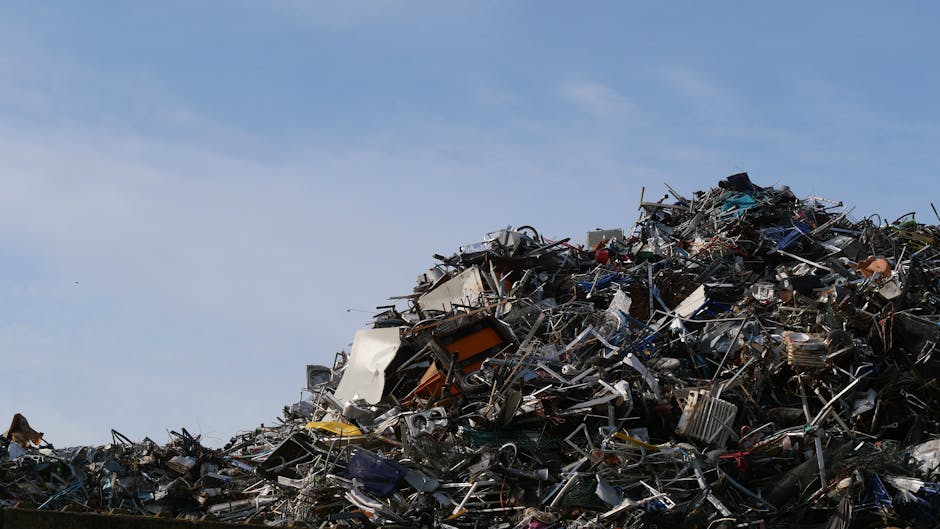
If you live in Figges Marsh, rubbish can build up fast. A couple of flat-pack boxes here, a broken chair there, maybe a bag of mixed recycling that never quite makes it out on time, and suddenly the hallway feels smaller than it should. The good news is that a few simple habits can make waste easier to manage, keep recycling cleaner, and stop those annoying little household pile-ups from turning into a bigger job than they need to be.
This guide to Recycling and rubbish tips for Figges Marsh residents is written for everyday life: busy homes, shared entrances, small gardens, awkward stairwells, and those moments when you just need a clear plan. You will find practical advice on sorting waste, avoiding common mistakes, choosing the right disposal method, and handling bulky items without stress. Nothing fancy. Just useful, local-minded guidance that should save time, mess, and a bit of money too.
- Why it matters
- How recycling and rubbish handling works
- Key benefits and practical advantages
- Who this is for and when it makes sense
- Step-by-step guidance
- Expert tips for better results
- Common mistakes to avoid
- Tools, resources and recommendations
- Law, compliance, standards, or best practice
- Options, methods, or comparison table
- Case study or real-world example
- Practical checklist
- Conclusion
- Frequently asked questions
Why Recycling and rubbish tips for Figges Marsh residents Matters
Good waste habits are not just about being tidy. They help your home feel calmer, reduce smells and pests, and make collection days easier to manage. In a neighbourhood like Figges Marsh, where people live in a mix of houses, flats, and shared spaces, rubbish can quickly become a shared problem if everyone treats it as someone else's issue. And let's face it, nobody enjoys stepping around a leaning bin bag on a wet Tuesday morning.
Recycling properly also helps you make better use of what you throw away. Clean cardboard, bottles, tins, paper, garden waste, and certain household items can often be separated from general rubbish if they are prepared correctly. That means less contamination, fewer rejected bags, and a better chance that the right materials go to the right place. A bit boring on the surface, yes, but incredibly practical.
There is another angle too: rubbish that is mixed carelessly can create extra costs and extra hassle. Bulky items left in corridors, waste dumped in communal areas, or broken appliances left until "later" can become difficult to move and may need specialist handling. If you are dealing with larger clear-outs, you may also find services like waste removal or home clearance more efficient than trying to manage everything in small stages.
Quick takeaway: the cleaner your sorting routine, the easier rubbish day becomes. Small habits now usually save bigger stress later.
How Recycling and rubbish tips for Figges Marsh residents Works
At a basic level, waste handling works best when you split items into the right streams before they leave your home. That usually means separating recycling, general rubbish, food waste where relevant, garden waste, and any special items that need careful disposal. The trick is not perfection. The trick is consistency. If you do the same simple routine every week, it becomes almost automatic.
For most homes, the process is something like this:
- Empty waste from rooms into a central sorting spot.
- Remove anything reusable or repairable first.
- Separate clean recyclables from general rubbish.
- Keep hazardous or awkward items apart.
- Flatten cardboard and compress soft waste where possible.
- Put bags out securely and on time.
That sounds simple, and mostly it is. The small details matter though. Food residue on packaging can contaminate a whole bag. A battery tucked into mixed waste can create a fire risk. A fridge left outside without arranged removal can be both unsafe and a nuisance. If you are dealing with appliances, services such as fridge and appliance removal are worth considering, especially when you do not want to wrestle a heavy item down stairs by yourself. Nobody needs that kind of hero moment.
For bulky items like old sofas or mattresses, the same logic applies. Standard bins are not made for them, so they need a separate plan. If you are clearing out a room or moving house, mattress and sofa disposal can help you avoid damaging communal areas or leaving items sitting around for days.
Key Benefits and Practical Advantages
There are several immediate benefits to getting your rubbish routine in shape, and they show up quickly.
- Less clutter: once waste has a proper place, it stops spreading through the home.
- Better hygiene: fewer overflow bags means fewer smells, spills, and unwanted visitors like flies.
- More usable space: a clearer hallway, kitchen, or shed makes the home feel bigger.
- Less last-minute panic: you are not scrambling to sort everything at the end of the week.
- Lower chance of mistakes: cleaner sorting means fewer rejected recycling bags.
- Better handling of bulky waste: the right service can save your back, and your stairs.
There is also a less obvious benefit: waste habits often reveal what is actually going on in the home. If recycling is filling up too fast, perhaps packaging is building up. If general rubbish is full of items that could be reused, maybe it is time for a declutter. If one room keeps becoming a dumping zone, that room is telling you something. Truth be told, rubbish can be surprisingly honest.
For residents who want to do more than just clear things away, a broader sustainability approach can help. The page on recycling and sustainability is a useful next stop if you are thinking about longer-term waste reduction rather than only this week's bin day.
Who This Is For and When It Makes Sense
This advice is for just about anyone in Figges Marsh who wants to keep waste under control without making life complicated. That includes:
- busy households with regular household recycling
- people in flats or shared buildings with limited bin space
- families doing a seasonal clear-out
- landlords preparing a property between tenancies
- homeowners dealing with lofts, garages, or sheds full of "I'll sort it later" items
- small businesses or home offices with paper waste, packaging, or old equipment
It also makes sense when you are in one of those transitional periods: after a move, after a renovation, after a garden overhaul, or after a long winter of accumulation. You know the kind of thing. A couple of half-full bags in January becomes a full-on storage crisis by spring. Happens all the time.
If you are clearing a loft, garage, or whole property, some jobs are simply too awkward for ordinary bin routines. That is where services like loft clearance, garage clearance, or even house clearance become much more practical than juggling a dozen trips up and down stairs.
Step-by-Step Guidance
If you want a waste routine that actually sticks, keep it very simple. Fancy systems usually fall apart the minute life gets busy.
1. Start with one sorting area
Use a corner of the kitchen, utility room, balcony, or hallway cupboard as your sorting point. Even a couple of clearly labelled bags or boxes can stop waste mixing by accident.
2. Remove reusables first
Before you recycle or bin anything, ask whether it can be donated, repaired, or passed on. Furniture, clean storage items, and working appliances often have a second life. If you are dealing with bigger household items, furniture clearance can make that process easier and quicker.
3. Separate recyclables carefully
Keep clean cardboard, paper, tins, cans, and bottles apart from general rubbish. If an item is greasy, food-soiled, or mixed with non-recyclable material, it may need to go in the general waste stream instead.
4. Isolate special items early
Batteries, paint, chemicals, broken glass, fluorescent tubes, and electrical items should not be tossed in with ordinary rubbish. These need different handling. For certain awkward or potentially dangerous materials, hazardous waste disposal is the safer route.
5. Bag and store waste neatly
Do not overfill bags until they split. That is how spills happen on stairs and pavements. Compact waste where possible, but avoid making bags so heavy that they become unsafe to lift.
6. Plan the final move-out
If you know you have bulky rubbish coming, line up the disposal method in advance. That can mean collection, a skip, or a dedicated clearance service. If you are unsure what can go where, the guide on what can go in a skip is a very handy reference point.
Expert Tips for Better Results
A few habits make a very real difference. These are the ones that tend to help most in day-to-day work.
- Keep recycling clean and dry. Wet cardboard and food-filled containers are much less useful.
- Break down boxes immediately. Waiting until the pile is waist-high is how kitchens start feeling like warehouses.
- Use one basket for "not sure yet" items. Then review it once a week instead of hesitating over every single object.
- Move old electronics out early. Don't leave a dead printer sitting on the landing for six months. We have all seen that happen.
- Schedule clear-outs before they become urgent. A small tidy-up is easier than a whole-day rescue mission.
Another good habit is to think in zones. If the kitchen handles recycling, the hallway handles outgoing rubbish, and the spare room handles donations, the mess tends to stay contained. It sounds a bit neat-and-tidy, but it works. You will notice the difference within a week or two.
For business owners or home workers, the same principle applies to paper waste and confidential materials. If old records, invoices, or client documents are piling up, confidential shredding is a sensible way to handle paperwork without the risk of sensitive information ending up where it should not.
Common Mistakes to Avoid
Most waste problems are created by a few very ordinary mistakes. Nothing dramatic, just small habits that snowball.
- Putting dirty recycling in with clean recycling: one greasy box can spoil the whole bag.
- Leaving bulky waste in communal areas: this looks untidy and can cause access issues.
- Overfilling bags: they tear, spill, and make lifting unsafe.
- Ignoring special items: batteries, appliances, and chemicals should not be hidden in general waste.
- Waiting until the last minute: rushed disposal usually costs more time and energy.
- Assuming one method suits everything: some jobs need a collection, some a skip, and some a full clearance.
One mistake people make a lot is trying to solve a big clear-out with bin bags alone. It feels economical at first, but it often turns into a string of trips, unexpected mess, and more lifting than anyone planned for. To be fair, that is where a lot of people decide enough is enough and book proper help.
If you are already at that point, services such as flat clearance or waste removal can be far more efficient than trying to do it piecemeal.
Tools, Resources and Recommendations
You do not need much to manage waste well, but the right tools make it easier.
- Stackable recycling boxes: helpful if you do not have much floor space.
- Heavy-duty bin bags: useful for general rubbish, but do not overpack them.
- Permanent marker and labels: simple, but very effective in shared homes.
- Fold-flat cartons or crates: useful for cardboard and donation sorting.
- Work gloves and a dustpan brush: especially useful during clear-outs and garage jobs.
- Furniture sliders or a sack barrow: if you are moving heavier pieces and know what you are doing.
For larger furniture pieces, especially when they no longer have a resale value or are damaged, it may be better to arrange proper disposal rather than leaving them to sit around. The pages on furniture disposal and mattress and sofa disposal can help with those awkward items that never seem to fit any plan.
And if you are trying to work out budget and timing, the page on pricing and quotes is a sensible place to start. Knowing the likely cost before you begin can make the whole thing feel less like guesswork.
Law, Compliance, Standards, or Best Practice
When waste leaves your home or business, it should be managed responsibly. In the UK, the general expectation is that waste is stored securely, sorted sensibly, and handed over to a legitimate operator. If you are using a clearance service, it is best practice to choose one that can explain how waste is handled and where different materials go. That might not be exciting reading, but it matters.
As a resident, the safest approach is straightforward: do not dump waste, do not leave hazardous items mixed into normal rubbish, and do not pass waste to anyone who seems vague about what happens next. If a service is moving furniture, appliances, or mixed waste, it should be done with care for safety, property, and the environment. Pages like insurance and safety and health and safety policy are useful signs that a provider is thinking properly about the job, not just the shortcut.
For builders' waste or renovation debris, the rules of common sense become even more important. Sharp materials, heavy rubble, and mixed construction waste should never be treated like ordinary household rubbish. If you are clearing up after works, builders waste clearance is usually the safer and tidier route.
Best practice in plain English: sort carefully, store safely, hand waste to the right people, and keep records or proof where it makes sense for your situation.
Options, Methods, or Comparison Table
Not every rubbish job needs the same solution. Sometimes a bin bag and a bit of discipline is enough. Sometimes, not even close. Here is a simple comparison to help you choose.
| Method | Best for | Pros | Watch out for |
|---|---|---|---|
| Routine household recycling | Everyday packaging, paper, cans, bottles | Simple, low effort, keeps rubbish down | Contamination and overfilled bags |
| General rubbish bags | Non-recyclable waste and mixed items | Easy for day-to-day use | Heavy lifting, smells, and spill risk |
| Skip or skip-adjacent disposal planning | Renovation waste, large volumes, mixed clear-outs | Useful for larger jobs and timed projects | You need to know what is allowed |
| Professional clearance service | Bulky furniture, full rooms, lofts, garages, flats | Less lifting, faster finish, less disruption | Choose a provider carefully |
If your waste is mostly normal household recycling, a simple routine is enough. If it includes furniture, appliances, mixed junk, or heavy debris, a structured clearance is often easier. And if you are staring at a room thinking, "Right, where do I even begin?", that is usually your clue.
Case Study or Real-World Example
Imagine a Figges Marsh resident clearing out a spare room after years of slow accumulation. There are cardboard boxes, old toys, a damaged bedside table, a broken lamp, a small pile of paperwork, and a sofa that has seen better days. Nothing is outrageously large, but the mix is awkward. It is exactly the kind of job that starts with optimism and ends with a lot of tired sighing.
The best approach would be to split the job into three groups. First, anything reusable or donate-able gets set aside. Second, paper and clean cardboard are flattened and bundled for recycling. Third, the broken furniture, lamp, and mixed waste are separated for proper disposal. If the sofa is beyond saving, then a specific furniture route makes more sense than trying to force it into ordinary rubbish. That is where services like furniture clearance and home clearance can save an entire Saturday.
The resident also avoids one common headache: leaving the old sofa in the front garden "just for now". We all know what happens next. It stays there. It gets wet. It becomes heavier. Then everyone is annoyed. Better to deal with it properly the first time.
Practical Checklist
Use this as a quick reset before bin day or a bigger clear-out.
- Have I separated recycling from general rubbish?
- Are any items reusable, repairable, or pass-on worthy?
- Have I removed food waste and contamination from packaging?
- Are batteries, chemicals, and electronics kept separate?
- Are bags sealed securely and not overfilled?
- Do I know what to do with bulky items like sofas or mattresses?
- Have I checked whether appliances need specialist handling?
- Is there enough space to move bags without blocking entrances or stairs?
- Do I need a quote or clearance booking for the larger items?
- Have I planned the collection or disposal date before the mess piles up again?
If you can tick most of those off, you are in good shape. If not, no drama. Just start with the easiest category and work forward from there.
Get a free quote today and see how much you can save.
Conclusion
The simplest recycling and rubbish habits are often the ones that last. Keep waste sorted early, treat special items with care, and match the disposal method to the size of the job. For Figges Marsh residents, that usually means making everyday recycling easy, staying on top of general rubbish, and using the right help when bulky or awkward items show up.
That way, waste stops being a constant background problem and becomes just another ordinary task that gets handled. Quietly, cleanly, done. And honestly, that is a pretty good result for something as unglamorous as rubbish.
If you are ready to clear space properly, explore the service options that fit your situation and take the pressure off the job. A tidy home really does make the day feel lighter.
Frequently Asked Questions
What are the most useful recycling and rubbish tips for Figges Marsh residents?
The most useful tips are to sort waste early, keep recyclables clean and dry, flatten cardboard, isolate hazardous items, and deal with bulky waste before it builds up. Consistency matters more than perfection.
How do I stop recycling from getting contaminated?
Rinse food containers if needed, keep greasy packaging out of recycling, and avoid mixing non-recyclable plastic with clean paper or cans. One dirty item can spoil a whole bag, so it is worth checking twice.
What should I do with bulky items like sofas or mattresses?
Bulky items usually need a separate disposal route. Services such as furniture disposal or mattress and sofa disposal are often more practical than trying to break them down and fit them into ordinary waste bags.
Can I put electrical items in my normal rubbish?
No, it is generally better not to. Electrical items should be handled separately because they may contain wires, batteries, or components that need careful disposal. Appliance-specific handling is safer and cleaner.
What is the best way to handle waste in a flat or shared building?
Use clearly labelled bins or bags, keep sorting simple, and avoid leaving items in communal hallways. For larger moves or clear-outs, flat clearance can prevent awkward lifting and keep shared spaces tidy.
How often should I do a proper rubbish clear-out?
That depends on household size and how much packaging or clutter you produce, but a quick weekly reset plus a more thorough monthly sort works well for many homes. Seasonal clear-outs are useful too.
What can go in a skip?
It depends on the type of skip and the waste stream. General construction debris, soil, timber, and some household waste may be allowed, but hazardous materials and certain electrical items usually are not. Check the specific guidance before loading one.
Do I need specialist disposal for fridges and other appliances?
Usually, yes. Large appliances are awkward, heavy, and can contain materials that should be processed properly. Fridge and appliance removal is the safer option for most households.
What if I have confidential papers to throw away?
Do not just toss them into mixed waste. Keep documents separate and use confidential shredding so sensitive information is destroyed properly. It is a small step that can prevent a lot of hassle.
How can I tell whether a clearance service is a good fit?
Look for clear pricing, sensible explanations of what happens to waste, and evidence that safety is taken seriously. Pricing and quotes, insurance and safety, and health and safety policy pages are all useful signals when you are checking a provider.
Is it better to clear waste myself or book a service?
If it is just ordinary household rubbish, self-management can work fine. If you are dealing with bulky, heavy, or mixed waste, a professional service usually saves time, lifting, and frustration. The right choice depends on volume, access, and how much effort you want to spend.
What is the biggest mistake people make with rubbish at home?
The biggest mistake is letting waste drift into the background until it becomes a pile. Once that happens, everything feels harder. Clear a little, regularly, and the whole process stays manageable. That is the real trick.